
How Do You Protect Your Yard During Fence Installation?
Last Updated: October 30, 2026
Quick Summary
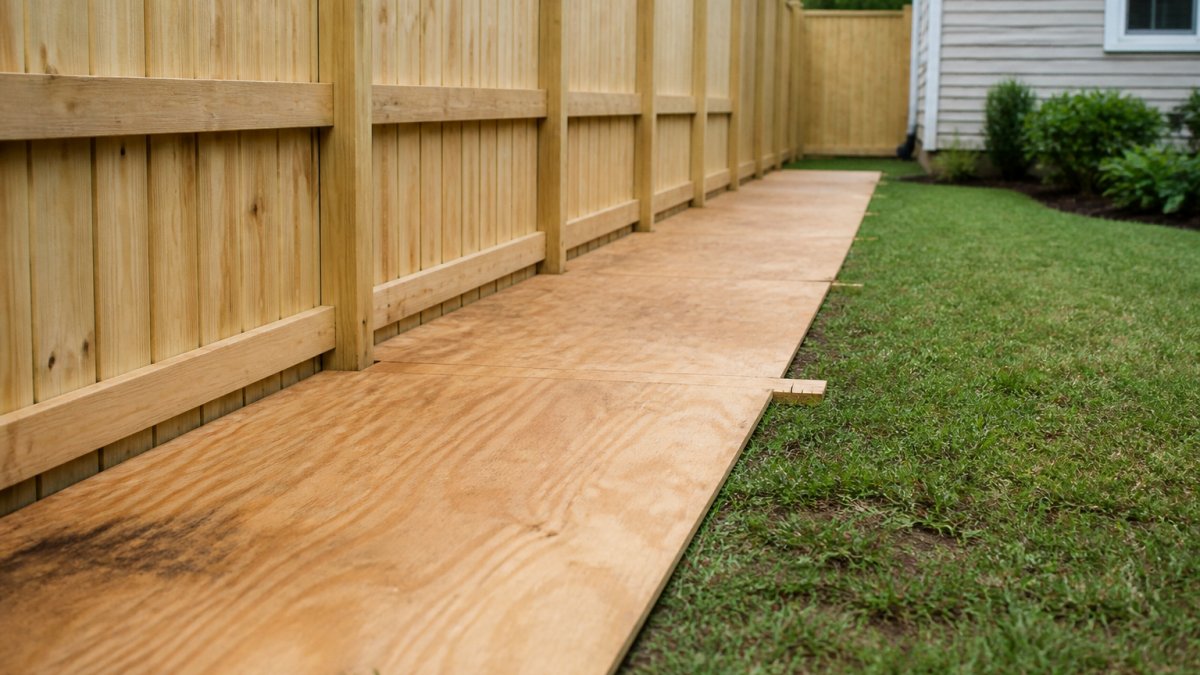
To protect your yard during fence installation, plan ahead: stake the fence line, call 811 to locate utilities, flag private lines, rope off garden beds, and route all crew traffic along one path covered with plywood or ground-protection mats. Keep materials and excavated soil on pavement or tarps, never on lawns or beds, and take dated before-photos to document existing conditions.
- Call 811 before any digging; it is free and most states require it.
- Stage posts, panels, and concrete on pavement or bare ground, never a garden bed.
- Saturated soil is the biggest cause of avoidable lawn damage during installation.
- Cover low plants with breathable fabric, not plastic, so they do not cook in the sun.
- Repair ruts while soil is still loose by raking flat, adding topsoil, and seeding.
Table of Contents
- How to Prepare Your Yard for Fence Installation
- Fence Installation Site Preparation Checklist
- Protecting Landscaping During Fence Installation
- Temporary Ground Protection for Equipment and Foot Traffic
- Managing Soil, Grading, and Drainage During Installation
- Fence Installation Cleanup and Lawn Repair
- Get a Quote and Walk Through Your Yard Protection Plan
- Frequently Asked Questions
How to Prepare Your Yard for Fence Installation
Knowing how to protect your yard during fence installation starts weeks before the first post hole is dug.
Damage rarely comes from the fence itself. It comes from equipment traffic, piled materials, and excavated soil dumped in the wrong spot.
Before anyone touches a shovel, walk your property and plan where things will go. Here's how to prepare your yard for fence installation, step by step.
OSHA guidance on excavation and trenching safety
Clear the Fence Line and Mark Property Boundaries
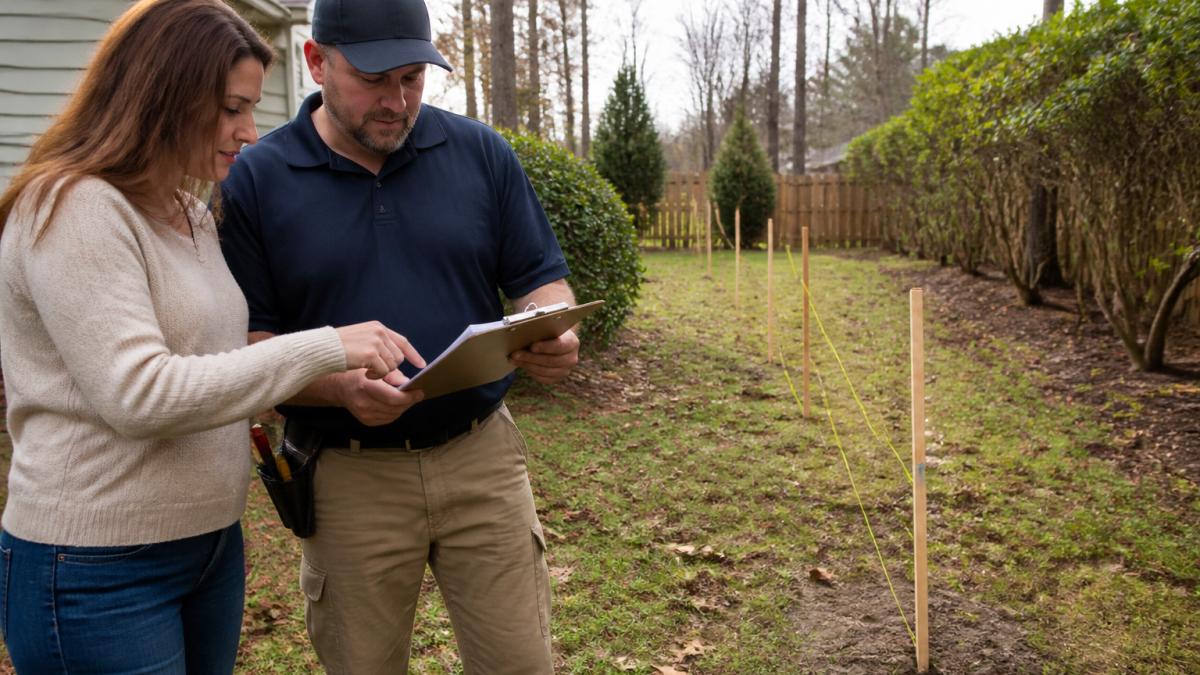
The first job is knowing exactly where your fence goes. Mark the fence line with stakes and string before work begins. Then confirm your property boundary so no one builds over the line.
A common mistake is assuming the old fence sat on the property line. Before clearing anything, verify property lines before you build or fence to avoid fencing land you don't own and disputes with neighbors.
Once the line is confirmed, clear it:
- Remove brush, rocks, and low branches along the path
- Trim back vegetation at least a few feet from the line
- Move lawn furniture, grills, and toys out of the work zone
Keep the cleared strip narrow, room for the crew to work, not a bare scar across your yard.
Locate Underground Utilities Before Any Digging
Never let a shovel hit the ground until utilities are located. This is the one step you cannot skip.
Call 811, the national call-before-you-dig service, before any digging begins (811 Before You Dig). It's free, and most states require it.
Map out what's buried:
- Sprinkler and irrigation lines
- Landscape lighting wiring
- Drainage pipes and French drains
Flag anything you find so the crew avoids it. A few minutes with flags beats a broken irrigation line and a flooded trench.
Fence Installation Site Preparation Checklist
A fence installation site preparation checklist keeps everyone on the same page.
Run through this list the week before install:
- Property boundary confirmed and fence line staked
- Utilities located and marked with flags
- Vegetation trimmed back from the line
That last item matters more than people think. A quick heads-up to neighbors prevents complaints and keeps the job running smooth.
Write a One-Page Access Plan
Most guides stop at the checklist. A short written access plan tells the crew exactly where to walk, where to stage materials, and where not to go. Keep it to one page and hand a copy to the foreman.
Include these items:
- The single approved entry gate and the path from the gate to the fence line
- The staging area for posts, panels, and bags of concrete (pavement or bare ground, never a garden bed)
- The tarp location for excavated soil
A one-page plan removes guesswork. Crews rotate between jobs, and the person digging post holes may not be the person who walked the yard with you.
Take a Before-Installation Photo Record
Photos are your proof if a dispute comes up later. Walk the yard the morning work begins and shoot wide and close-up images of:
- Each lawn area the crew will cross
- Garden beds and shrubs near the fence line
- Existing fences, retaining walls, and hardscape
Date-stamp the photos if your phone allows it, and store them somewhere you can find them in a few weeks. If a bed gets crushed or a panel scratches a patio, compare before and after and raise the issue while the crew is still on site.
Ask the installer to confirm in writing who is responsible for repairing turf damage, replacing crushed plants, and hauling away excess soil. A sentence in the estimate or a quick email reply is enough. Agreeing on repair responsibility before work starts prevents most end-of-job disputes.
Coordinate Timing With Weather and Soil Conditions
A checklist should include a weather call. Saturated soil is the single biggest cause of avoidable lawn damage during installation. One pass of a wheelbarrow over soggy turf can leave ruts that take a full season to heal.
- Check the forecast 48 hours before the scheduled start.
- If heavy rain is expected, ask about moving the start date.
- If the ground is already soft, request that materials be staged on pavement or gravel and that the crew use ground-protection mats on the access path.
A short conversation about soil moisture and forecast belongs on the checklist, not in a phone call after the damage is done.
Protecting Landscaping During Fence Installation
Protecting landscaping during fence installation comes down to three things: shielding plants, guarding buried systems, and keeping equipment off delicate ground. Most damage is preventable with a little planning. The most useful way to plan is to work feature by feature, because a lawn, a garden bed, a mature tree, and a patio each need a different kind of protection.
A Feature-by-Feature Protection Guide
Lawns and turf. The main risks are ruts from wheeled equipment and compaction from repeated foot traffic.
Garden beds. Beds are the most vulnerable feature because plants crush easily and soil compacts.
Trees. Roots run wide, often well beyond the canopy, and compaction and grade changes hurt them.
Shrubs and hedges. Trim back only what crosses the fence line.
Slopes. Water runs downhill, and disturbed soil on a slope erodes fast. For yards with a grade, read our guide on installing fences on uneven terrain. If your property sits on an incline, this step-by-step guide to fence installation on sloped yards walks through how installers handle grade and drainage.
Patios, walkways, and hardscape. Heavy materials dropped on concrete or pavers can chip or crack them.
Irrigation, Lighting, and Drainage Systems
Buried systems are easy to forget and expensive to fix. Irrigation lines, landscape lighting, and drainage pipes all run through the yard.
Flag every line you located earlier. Tell the crew foreman where they run. If a line sits right on the fence path, plan to reroute it before digging, not after.
Watch the excavated soil too. Pile it on a tarp, not on your lawn or in a drainage swale.
A broken irrigation line under a new fence can flood a trench and undermine post footings. Flag sprinkler heads and valve boxes even if they sit a few feet off the line, because the pipe between them may run directly under a post hole.
The Before, During, and After Sequence
The clearest way to protect landscaping is to think in three phases.
Before installation: confirm the fence line, locate utilities, flag private lines, rope off beds, choose a staging area, and take photos.
That sequence is what separates a yard that recovers quickly from one that shows damage for a season.
Here is how each feature in the path of the work should be protected.
| Feature | Main risk | How to protect it |
|---|---|---|
| Lawns and turf | Ruts from wheeled equipment, compaction | Route traffic on one path covered with plywood or mats |
| Garden beds | Plants crush easily, soil compacts | Rope off beds, cover low plants with breathable fabric |
| Trees | Compaction and grade changes hurt roots | No soil or materials against trunk; shift post spacing if possible |
| Shrubs and hedges | Heavy pruning stresses plants | Trim back only what crosses the fence line |
| Slopes | Disturbed soil erodes fast | Keep excavated soil on a tarp, out of downhill flow |
| Patios, walkways, hardscape | Dropped materials chip or crack surfaces | Keep staging off hardscape or lay plywood first |
Temporary Ground Protection for Equipment and Foot Traffic
Temporary ground protection keeps heavy equipment from turning your lawn into a mud pit. Wheelbarrows, post-hole diggers, and material piles all leave marks.
Lay down ground-protection mats or plywood sheets along the crew's main path. Focus on:
- Gate entrances and narrow passages
- Soft or wet spots in the lawn
- Areas where materials get staged
Plywood works fine for foot traffic. Rigid mats handle wheeled equipment better.
Here's what most guides miss: wet ground is the real enemy. One pass over soggy turf does more damage than ten passes over dry grass.
Managing Soil, Grading, and Drainage During Installation
Managing soil, grading, and drainage during installation protects your yard long after the fence is done.
Plan where dug soil will pile. Keep it on a tarp, away from drainage paths and garden beds.
If your yard is uneven, slope matters. Water needs to drain away from the fence line, not pool against the posts.
Grade the ground so water runs off, and never leave a low spot against the new fence.
Fence Installation Cleanup and Lawn Repair
Fence installation cleanup and lawn repair bring your yard back to normal. A clean work site is the mark of a professional crew.
After the crew leaves, check the site:
- All debris and scrap material removed
- Excavated soil spread or hauled away
- Ruts raked and filled
Repair ruts while the soil is still loose. Rake them flat, add topsoil, and seed right away so grass fills in before weeds do.
Take after-photos to compare against your before-photos. If anything was damaged, you'll have proof to raise it right away.
Get a Quote and Walk Through Your Yard Protection Plan
A solid yard protection plan starts with a clear conversation before work begins.
Ask your contractor three things before signing:
- How will you protect my lawn and beds during install?
- Who handles utility locating and property line questions?
- What does cleanup include?
We're a locally owned, veteran-operated fence contractor. We build wood, vinyl, and chain link fences with solid workmanship and honest, straightforward pricing. We focus on keeping a clean work site.
Want to understand what a quote covers, yard protection included? Read our residential fence installation estimate guide. Learn how to book a professional fence consultation and what to discuss about protecting your yard.
Frequently Asked Questions
How can I protect my lawn during fence installation?
Ask your installer what ground protection they use along the equipment path and around each post hole before the crew arrives. Ask the installer to keep heavy equipment on designated routes and to avoid driving across the lawn after rain. Trim grass short along the fence line so excavated soil is easier to clean up, and water the lawn lightly the night before to reduce dust and soil fracture.
What should I move or cover before a fence is installed?
Move patio furniture, grills, garden hoses, and pet bowls out of the work zone. Cover garden beds near the fence line with tarps or old sheets, and tie back low branches on shrubs and trees. If you have an irrigation system, mark sprinkler heads with small flags so the crew avoids them. Also unlock gates and clear a path for workers to carry materials.
How do fence installers avoid damaging landscaping?
Reputable installers mark the fence line first, then dig post holes by hand or with a compact auger rather than a full-size machine. They set up temporary barriers around garden beds and use ground-protection mats under wheelbarrows and equipment. Ask your installer how they handle excavated soil and whether they use a track or wheeled machine, since tracked equipment spreads weight better on soft lawns.
Will fence installation damage my lawn?
Some wear is normal along the fence line, especially after digging and foot traffic. Most damage is temporary: flattened grass recovers in one to two weeks, and small bare spots can be reseeded. The bigger risks are compacted soil from heavy equipment and buried irrigation lines hit during digging. Walking the yard with your installer before work starts and marking sprinkler heads and utility lines prevents most serious damage.
Your yard shouldn't pay the price for a new fence. The right prep, the right protection, and the right crew keep your lawn, beds, and buried lines intact. Fencementals brings veteran-operated reliability, no-upsell pricing, and a clean work site to every job across the Midlands. Get started with Fencementals and protect your yard while you build the fence you've been planning.
