
Book Professional Fence Consultation 2026: Complete Homeowner Guide
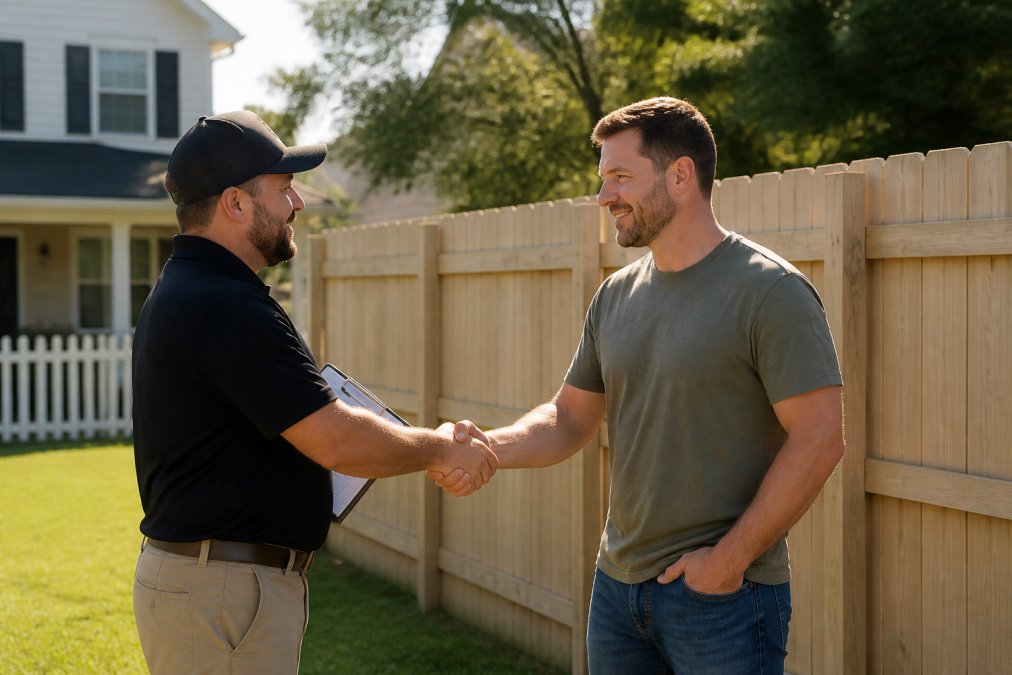
Table of Contents
- Why Book a Professional Fence Consultation
- How to Prepare Your Property for a Fence Contractor Site Visit
- Essential Questions to Ask Fence Contractors
- Understanding Fence Installation Cost Estimates for 2026
- Navigating Permits, Property Boundaries, and HOA Requirements
- Post-Installation Maintenance and Long-Term Durability
- Scheduling Your Fence Installation and What to Expect
- Frequently Asked Questions
Last Updated: September 25, 2026
Why Book a Professional Fence Consultation
Booking a professional fence consultation prevents costly mistakes and ensures your fence meets your needs and local requirements. When you book professional fence consultation services, you clarify your vision, identify potential challenges, and receive an accurate estimate before work begins.
Your contractor will assess terrain, identify property boundaries, evaluate soil conditions, and discuss material options. Many homeowners rely on phone quotes, which leads to surprises during installation. An in-person consultation eliminates guesswork.
At Fencementals, we listen to your goals, privacy, pet containment, or curb appeal, and translate them into a concrete plan. We identify complications early, from uneven terrain to HOA restrictions, so you know exactly what to expect before signing.
How to Prepare Your Property for a Fence Contractor Site Visit
Clear the proposed fence line of debris, tall grass, and branches before the site visit. Basic cleanup helps the contractor measure and identify obstacles without requiring professional landscaping.
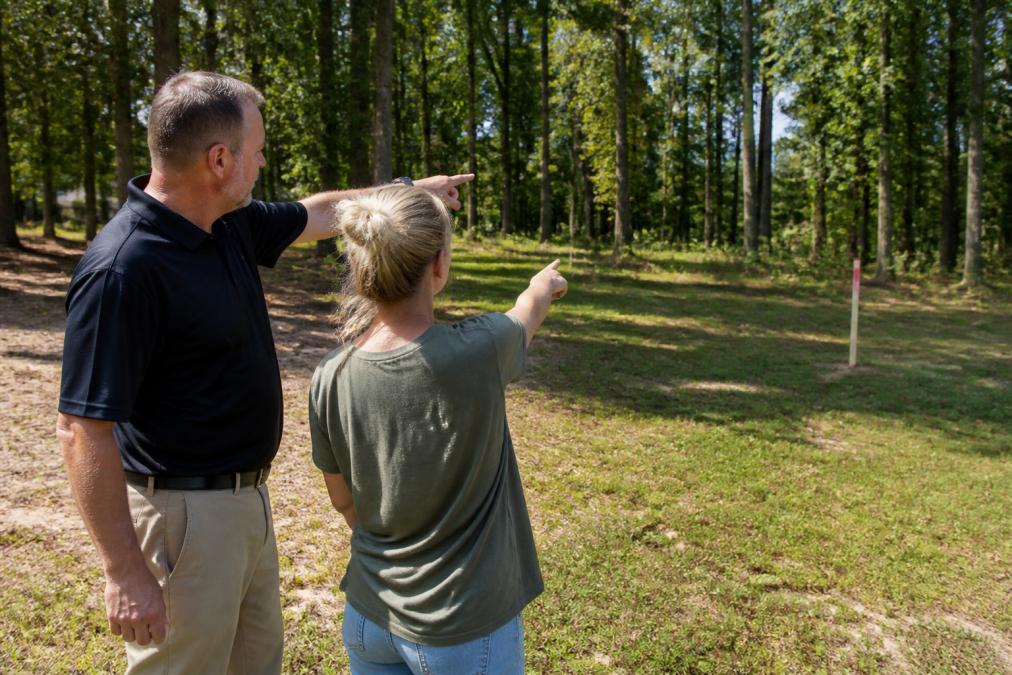
Mark property boundaries if you know them. Share recent surveys with your contractor. If boundaries are unclear, mention this during consultation, your contractor can advise whether a formal survey is necessary.
Call 811 before consultation to have gas, electric, water, and sewer lines marked. Take photos and show them to your contractor.
Note septic systems, drainage areas, and tree roots that affect placement. If you have an HOA, pull covenants and restrictions beforehand so the contractor can confirm compliance.
Essential Questions to Ask Fence Contractors
Ask about experience: how long they've installed fences locally, annual project volume, licensing, and insurance. Request references from recent similar projects. Hesitation is a red flag.
Ask about timeline: project duration, continuous or phased work, weather contingencies, and completion date. Clear timelines prevent frustration.
Ask about material lifespan and annual maintenance. For wood, inquire about rot resistance and staining schedules. For vinyl, ask about UV resistance and discoloration warranty coverage.
Ask whether the quote includes site prep, permits, and cleanup. Clarify warranty coverage and how unexpected conditions (rock, compacted soil) are handled. A contractor who explains change orders upfront builds trust.
Understanding Fence Installation Cost Estimates for 2026
Professional estimates break down material, labor, site prep, permits, and cleanup so you understand costs and can compare contractors fairly.
Linear-foot pricing is standard: vinyl costs $25-$40 per foot, wood $15-$30, and chain link $8-$15 installed. Site conditions like uneven terrain, vegetation, or poor soil increase labor costs 10-30% or more.
When comparing estimates from multiple contractors, ensure you're comparing identical specifications. One contractor's "vinyl fence" might include deeper post holes (3 feet deep vs. 2.5 feet), concrete footings for every post, and premium hinges on gates, while another's might use shallow holes and standard hardware. Ask each contractor to itemize their estimate in writing with these specific line items:
- Material costs (broken down by component: posts, rails, boards or panels, hardware, gates)
- Labor (hourly rate or lump sum; clarify whether this includes site prep)
- Site preparation (debris removal, tree cutting, grading, marking)
- Permits and inspections (who files, who pays)
- Cleanup and disposal (removal of old fence if applicable, scrap material hauling)
- Warranty terms (material warranty length, labor warranty, what's covered)
This transparency makes comparison straightforward and prevents hidden costs from appearing after work begins.
Red flags in estimates include vague pricing ("about $X per foot"), refusal to itemize, and estimates significantly lower than competitors without explanation. A contractor who quotes 30% below market rate often cuts corners on post depth, concrete, or material grade. Ask directly: "Why is your price lower than the other estimates I received?" A legitimate answer explains specific choices ("We use a more efficient crew" or "We source materials directly"). A non-answer is a warning sign.
Ask about payment terms and change orders. Most reputable contractors require a 25-50% deposit to reserve your project date, with the balance due upon completion or in installments as work progresses. Avoid contractors who demand full payment upfront. Also clarify how change orders are handled. If the crew discovers rock, tree roots, or poor soil during installation, costs may increase. Ask: "If you hit unexpected conditions, how will you notify me and what's the process for approving additional costs?" A contractor who explains this process upfront prevents disputes later.
Finally, compare the total project cost, not just the per-foot rate. A contractor with a slightly higher per-foot rate but better warranty coverage, faster timeline, or superior site preparation may deliver better value than the cheapest option. Request references from recent clients and ask them whether the final cost matched the estimate and whether they felt the work justified the price.
Navigating Permits, Property Boundaries, and HOA Requirements
Permit requirements vary significantly by jurisdiction and fence type. Some municipalities require permits for any fence installation, while others only require them for fences above a certain height (commonly 6 feet in residential zones) or in specific setback zones from property lines. Your contractor should be familiar with local requirements and either handle permit applications or clearly explain what you need to do. During your consultation, ask your contractor directly: "Will this project require a permit, and if so, who files it, you or me?" A contractor who cannot answer this question lacks local knowledge.
Property boundaries determine where your fence can legally be placed. Encroaching on a neighbor's property creates legal liability and may require removal at your expense. If your property line is unclear, a professional survey costs $300-$600 but prevents expensive disputes or removal orders later. Your contractor can advise whether a survey is necessary based on your specific situation. Ask during consultation: "Do you see any boundary ambiguity on this property?" If the answer is yes, budget for a survey before installation begins. Many homeowners discover boundary issues only after a fence is built, which is far more costly to resolve.
HOA restrictions often limit fence height, material, color, and design. Some HOAs prohibit certain materials entirely (vinyl, for example) or require architectural approval before installation. Request these restrictions in writing from your HOA before booking professional fence consultation services. Bring the actual covenant document to your consultation so the contractor can confirm the proposed design complies from the start. Ask your HOA: "What is the maximum fence height allowed?" "Are there approved material or color lists?" "Do I need written approval before installation?" Many HOAs require pre-approval, and skipping this step can result in a cease-and-desist order or fines.
Use this pre-consultation checklist to gather the documents your contractor will need:
- Property deed (shows legal description and may indicate easements)
- Recent survey (if available; shows exact property lines)
- HOA covenants and restrictions (if applicable; usually available from your HOA or title company)
- Utility locate marks (call 811 at least 2-3 days before consultation; marks are valid for 28 days)
- Photos of existing structures (septic systems, drainage swales, neighbor fences, trees)
- Local zoning ordinance (available on your municipality's website; search "[Your City] fence ordinance")
If you discover boundary or HOA issues during the consultation, your contractor should help you navigate solutions. A professional contractor will advise whether a formal survey is necessary, which HOA approvals are required, and whether permit timelines will delay your project start date. If your contractor dismisses these concerns or says "we'll figure it out during installation," that's a sign to seek a different contractor. Permits and HOA approvals are not obstacles to work around, they're legal requirements that protect both you and the contractor.
Post-Installation Maintenance and Long-Term Durability
Fence durability depends on material choice and ongoing maintenance. Wood fences typically last 15-20 years with regular care, vinyl fences last 20-30 years with minimal maintenance, and chain link fences last 25-30 years. These timelines assume proper installation and reasonable maintenance.
Wood fence maintenance requires annual attention.
Scheduling Your Fence Installation and What to Expect
Once you've selected a contractor and signed the agreement, scheduling becomes the next step. Most contractors maintain a project calendar and book installations weeks or months in advance. Request a specific start date and confirm the expected duration before committing.
Frequently Asked Questions
What should I prepare before a professional fence consultation?
Clear the consultation area of debris, mark any trees or obstacles, locate your property boundaries if possible, and gather details about your yard's terrain and drainage. Have photos of your current property ready and know what you want the fence to accomplish, privacy, security, pet containment, or curb appeal. This preparation helps the contractor provide an accurate site assessment and project estimate.
What questions should I ask a fence contractor during a site visit?
Ask about their contractor licensing, insurance coverage, warranty terms, installation timeline, and whether they handle permits and HOA navigation. Inquire about material durability for your climate, maintenance requirements, and their project management approach. Request references and clarify their pricing structure to ensure there are no hidden fees. Understanding their experience with similar projects and their cleanup process helps you evaluate reliability.
How do fence installation cost estimates work for 2026?
Estimates are typically based on linear-foot pricing, site complexity, material selection, and labor. The contractor will measure your property, assess site preparation needs, and account for obstacles like trees or uneven terrain. Request a detailed project estimate that breaks down material costs, labor, and any additional charges. Compare multiple estimates to understand the market, but remember that the lowest bid doesn't always guarantee quality workmanship or material durability.
Do fence contractors charge for initial consultations?
Many professional contractors offer free site assessments and project estimates. However, some may charge a consultation fee, particularly for complex properties or detailed design work. Ask upfront whether the consultation is complimentary and whether that fee applies toward your final project cost if you proceed. This clarification prevents surprises and helps you budget for the planning phase.