
Choosing the Right Fence for Security at Your Home
Quick Summary
A good security fence matches your property layout, household needs, and the threats you actually face, so start by deciding what it must stop, slow down, or make visible. Weak points like gates, side yards, low spots, and nearby trees or sheds often matter more than the material itself. Choose the material by its failure mode and balance climb resistance against visibility.
- Decide whether the fence should stop, slow down, or make intruders visible before comparing materials.
- Weak points such as gates, side yards, and places where a neighbor's tree or shed could serve as a step matter most.
- Chain-link is the value option for large perimeters where visibility is acceptable.
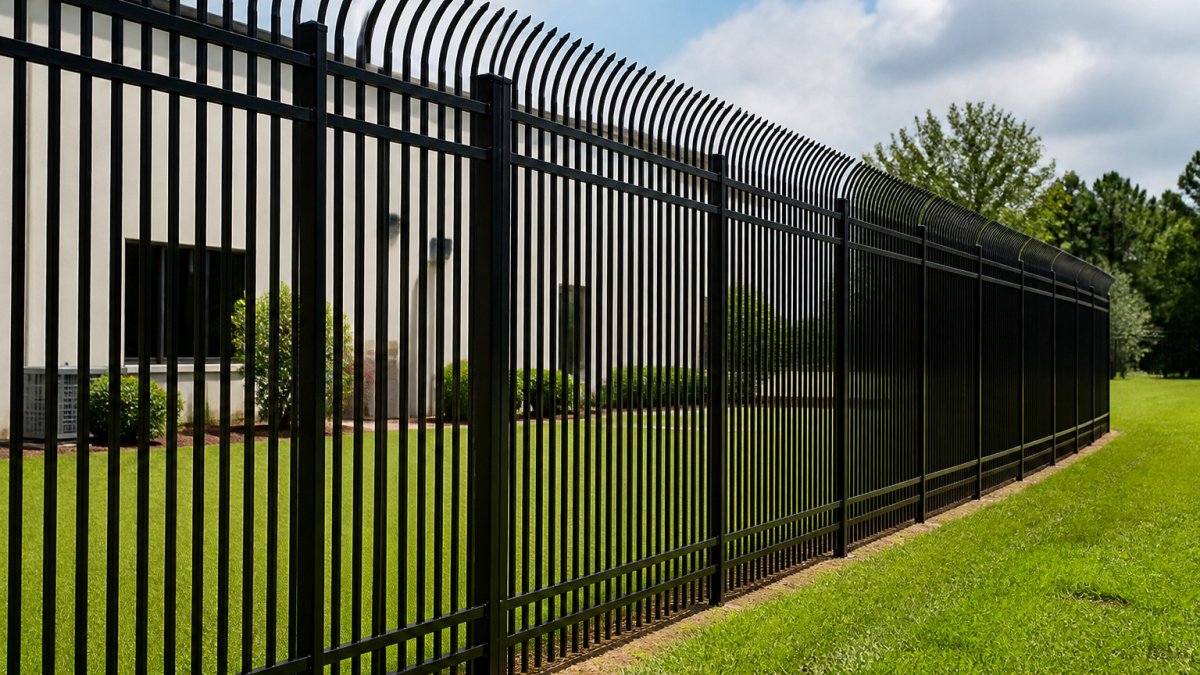
- Steel and aluminum ornamental fences often balance sightlines with climb resistance.
- Judge total cost of ownership over the fence's life, not just the installation quote.
Table of Contents
- How to Choose a Security Fence for Your Property
- Fence Types and Security Levels: Chain-Link, Wood, Vinyl, Aluminum, Steel and Wrought Iron
- Visibility, Sightlines and Privacy Trade-Offs
- Climb Resistance, Cut Resistance and Material Strength
- Best Security Fence for Home Use: Matching Material to Your Threat and Site
- Fence Height for Security: How Tall Is Tall Enough
- Security Fence Cost: Total Cost of Ownership, Not Just the Install Quote
- Fence Installation Mistakes That Undermine Security
- Planning Your Next Step: Property Lines, Permits and a Free Quote from Fencementals
- Frequently Asked Questions
How to Choose a Security Fence for Your Property
A security fence works best when it matches your property layout, your household, and the threats you actually face. Most homeowners start by asking how tall it should be, but the better first question is what the fence needs to stop, slow down, or simply make visible.
Start with three questions: what area needs protection, what level of resistance you want, and how much visibility you can give up. Walk the perimeter and note gates, side yards, low spots, and places where a neighbor's tree or shed could serve as a step. Those weak points usually matter more than the fence material itself. A good security fence is designed around the site rather than picked from a catalog.
Keep the design goals separate. Privacy blocks sightlines, which can frustrate someone casing a yard but also hides activity from your own neighbors and from you. Security depends on height, material strength, and gate hardware. Decide which goal wins before comparing materials.
Fence Types and Security Levels: Chain-Link, Wood, Vinyl, Aluminum, Steel and Wrought Iron
| Material | Typical security strength | Common failure mode | Visibility | Upkeep burden |
|---|---|---|---|---|
| Chain-link | Deters casual intrusion through openness; inexpensive to extend | Cut with bolt cutters or climbed if no top guard; bottom can be lifted if not tensioned | High | Low; occasional tensioning and post check |
| Wood privacy | Solid visual barrier; resists casual observation | Cut or kicked through pickets; rot at post base; climbable if rails create footholds | Low | High; sealing or staining every few years |
| Vinyl | Opaque and weather-resistant; no rust | Cracks in cold weather; less resistant to forced entry than metal; panels can pop from rails | Low | Low; occasional cleaning |
| Aluminum ornamental | Open sightlines; good climb resistance with tight picket spacing | Pickets can be spread or bent with leverage; lightweight posts may flex | High | Low; touch-up coating if scratched |
| Steel ornamental | High climb and cut resistance when properly specified | Corrosion at welds and post bases if coating fails; heavy panels stress hinges | High | Moderate; periodic coating inspection |
| Wrought iron | Very high strength and climb resistance | Cost and weight; rust at joints; requires periodic recoating | High | Moderate to high; recoating every few years |
Chain-link is the value option for large perimeters where visibility is a feature rather than a flaw.
Aluminum and steel ornamental fences sit in the middle and are often the best balance for homeowners who want sightlines without giving up climb resistance.
Matching the material to the level of protection you need is the real decision. Ask whether the fence is mainly for pet containment, privacy, a visible boundary, or a true barrier against intrusion.
Visibility, Sightlines and Privacy Trade-Offs
Opaque fences hide your yard from the street and make it harder for a person to judge what is behind them. That same opacity also means you cannot see anyone approaching the fence line. Open designs such as ornamental steel or aluminum let you watch the property and let police or neighbors see activity, which many security planners view as a deterrent in its own right.
Many homeowners land on a hybrid: solid privacy panels near the house and patio, with open sections along side and rear boundaries where visibility helps. This approach keeps the most-used spaces private while avoiding the blind spots that a fully closed fence creates.
Climb Resistance, Cut Resistance and Material Strength
Climb resistance depends on height, picket spacing, and whether the top is finished with pointed or rounded tops. Pickets set close together with no horizontal rails for a foothold are harder to climb than wide-spaced designs. Cut resistance is a separate issue: chain-link and thin wire mesh can be cut with ordinary tools, while heavier steel rails and solid wood panels resist that better. Material strength should be judged by the post set, the rail system, and the hardware, not just the panel type. A strong panel attached to weak posts fails at the first hard push.
Best Security Fence for Home Use: Matching Material to Your Threat and Site
The best security fence for home use depends on your site more than any single product. A suburban backyard with children and pets usually calls for a tall, opaque wood or vinyl privacy fence with a locking gate. A property with a long rural boundary may get better value from steel or aluminum with a visible perimeter and cameras.
Match the material to the threat you can actually name. Theft of tools from a side yard calls for different answers than a long-term effort to enter a home. Choose according to the scenario you are planning for, rather than paying for maximum height everywhere.
Fence Height for Security: How Tall Is Tall Enough
Height is one factor among several. Six feet is a common residential standard for privacy and basic deterrence. Taller barriers add resistance, but only if the posts, rails, and top treatment support the extra load and give no foothold. Check local height limits before ordering; many municipalities set maximums for front yards and corner lots, and some restrict fence types near streets or sidewalks.
Think about what sits on the far side of the fence too. A tree, shed, or stacked firewood within reach effectively lowers the height. Keeping those objects clear of the fence line protects the investment.
Security Fence Cost: Total Cost of Ownership, Not Just the Install Quote
A security fence's price should be judged over its full life, not just at installation.
Build the comparison around five line items. First, installed cost: materials, post spacing, footing depth, gate hardware, and removal of old fencing. Second, routine maintenance: sealing or staining for wood, coating touch-ups for steel and wrought iron, and cleaning for vinyl. Third, repair frequency: posts that rot or lean, gates that sag, and panels that loosen after wind or impact. Fourth, replacement cycle: how many years before the material reaches the end of its service life in your climate. Fifth, gate and hardware replacement, which is often the first failure point on any fence.
A common pattern is that wood has the lowest installed cost but the highest maintenance burden, while steel and wrought iron cost more up front and less per year after the first recoating.
Ask for a quote that spells out materials, post spacing, footing depth, gate hardware, and removal of old fencing if needed. Compare quotes on the same specification so you are weighing the same level of protection.
Fence Installation Mistakes That Undermine Security
Even a well-chosen fence can fail because of installation. Common problems include shallow post holes that let the fence lean or be pushed over, gaps at the bottom that allow a small animal or a person to slip under, and gates that do not latch or sag on their hinges.
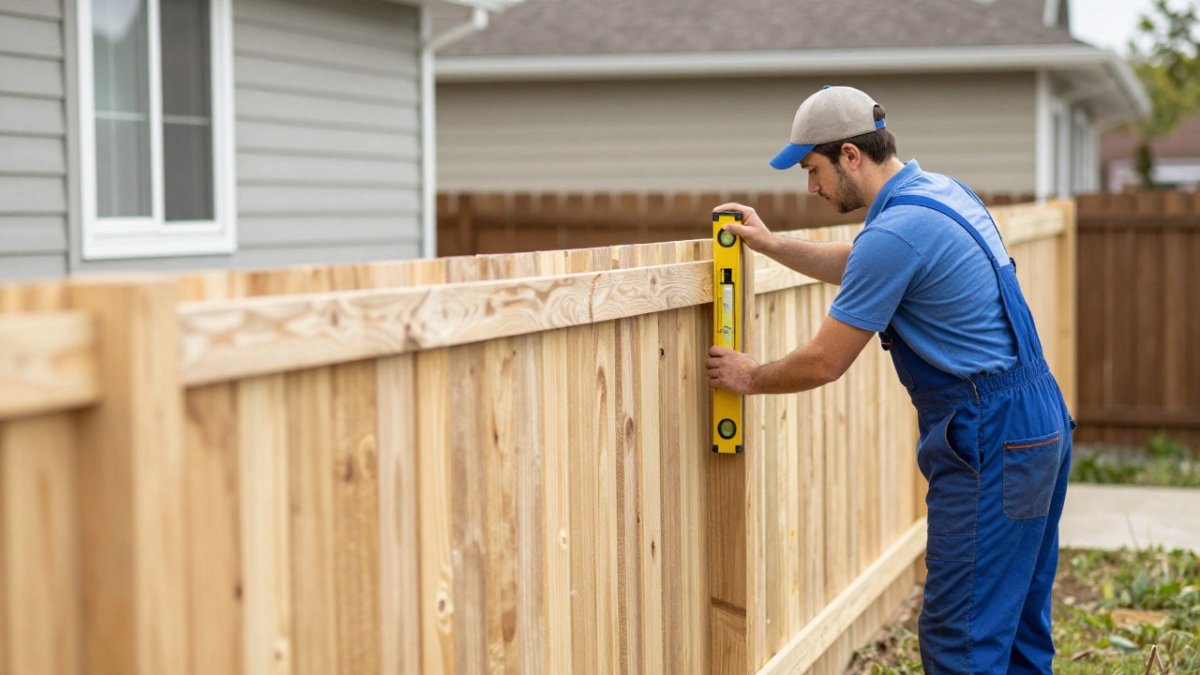
Watch for panels that are not fastened securely to posts, rails that can be lifted off, and hardware made of soft materials that corrode. Ask the installer how footings are set and how the gate is hung.
Planning Your Next Step: Property Lines, Permits and a Free Quote from Fencementals
Before building, confirm your property lines with a survey or the county records, since a fence on a neighbor's land creates disputes that are costly to fix. If your property is subject to an HOA, review its fence rules for height, materials, and placement.
When you are ready to compare options, a clear first step is a site visit. Fencementals serves Columbia, Lexington, Irmo and the Midlands of South Carolina, and offers a free estimate and a written quote with no hidden fees. Call (803) 513-8051 to schedule one, or visit the contact page to learn more about the company.
Frequently Asked Questions
What type of fence is best for keeping intruders out?
For most homes, a solid or closely spaced fence that is hard to climb and hard to see through works best. Steel and aluminum resist cutting and bending, while tall wood or vinyl panels block sightlines so intruders cannot easily assess the yard. Chain-link is affordable and durable but offers little privacy, so it is usually paired with lighting or other layers. The right choice depends on your threat level, your property layout and whether you need privacy as well as security.
What is the best security fence for my house?
The best security fence for your house balances height, material strength and visibility against your budget and appearance goals. Steel or aluminum picket styles offer strong climb resistance with good sightlines, while solid wood or vinyl gives privacy but can hide activity. Chain-link is durable and low-cost for large areas. Consider where entry points are, how much of the perimeter you need to protect, and whether pets or children need containment, then match the material to those needs.
How tall should a security fence be?
A residential security fence is commonly built to about 6 feet, which is hard to climb without a ladder or assistance. Taller heights add climb resistance, and many homeowners add anti-climb features at the top rather than going much higher. Check your local height limits before building, since many municipalities restrict front-yard heights and rear or side heights differently. Height matters most where the fence meets gates, corners and areas near trees, sheds or other objects that could be used as a step.
Does a fence improve home security?
A fence can improve home security by slowing intruders, defining your boundary and making unauthorized access more visible and more difficult. It is most effective as one layer in a broader plan that includes locks on gates, lighting, landscaping that does not hide entry points and monitored or visible access points. A fence alone rarely stops a determined intruder, but it raises the effort and time required, which deters many opportunistic break-ins.
How much does a security fence cost to install?
Security fence cost depends on material, height, linear footage, terrain, gate count and removal of any existing fence. Pricing varies with quantity, dates and delivery, so you should request a quote for your specific property. For current pricing and to request a quote, visit the Fencementals pricing page. When comparing quotes, confirm that they include gates, hardware, post setting, site cleanup and any permit fees, since these items often differ between bids.
What are common fencing mistakes to avoid?
Common mistakes include setting posts too shallow, which lets fences lean or heave; leaving gaps at the bottom that allow digging under; choosing a height that is easy to climb; placing gates where they can be lifted off hinges; and ignoring property line surveys. Installers who skip concrete footings or use weak hardware create weak points an intruder can exploit. Ask any contractor how they set posts, secure gates and confirm boundaries before you sign.
What can I put on a fence to deter intruders?
Options include anti-climb toppers such as angled or coiled wire, spikes designed for residential use, and smooth surfaces that offer nothing to grip. Motion-activated lighting, signage and visible cameras add a further deterrent. Check local rules before adding sharp or electrified features, since many areas restrict them. A combination of physical barriers and visible monitoring usually works better than any single addition.
Is a wood, vinyl, or chain-link fence best for security?
Chain-link is the most cost-effective for large areas and is strong against climbing, but it offers little privacy. Wood provides privacy and a traditional look but requires maintenance and can be climbed if it is short or poorly built. Vinyl resists weather and needs little maintenance, and solid panels block sightlines well. For security, the best choice depends on whether you need visibility, privacy or containment for pets, and on how much upkeep you are willing to do.
