7 Durable Chain Link Fence Options Compared
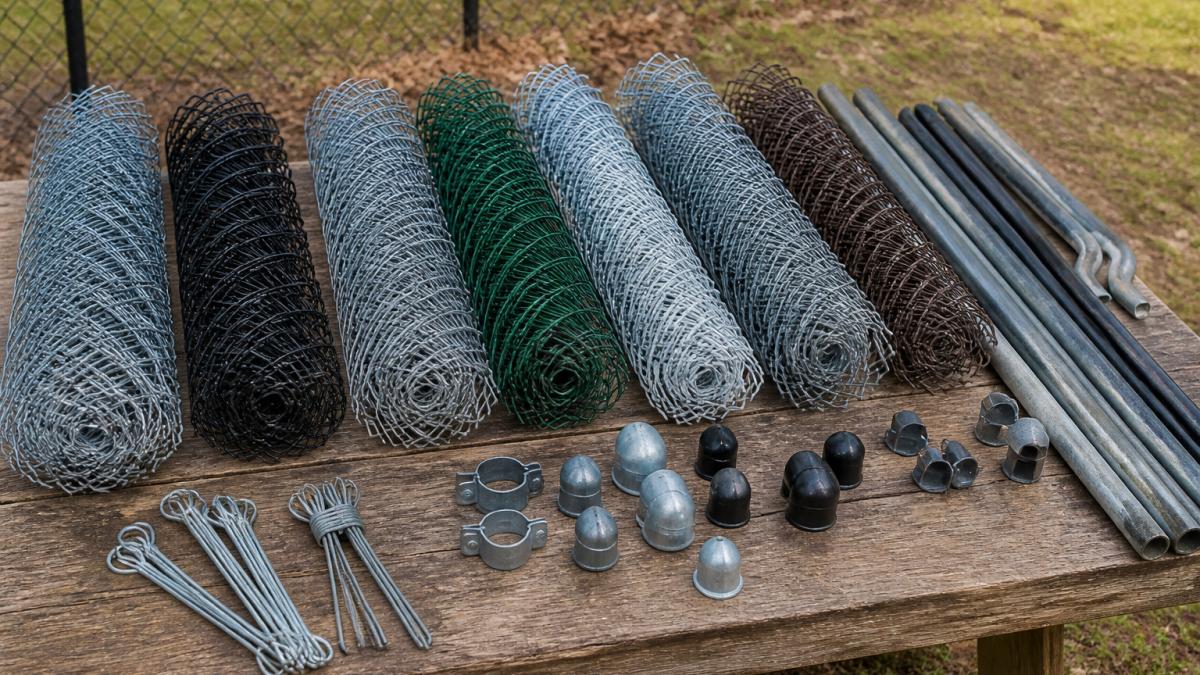
Table of Contents
- How We Compared These Durable Chain Link Fence Options
- 1. Galvanized Chain Link Fence: The Standard Metallic Choice
- 2. Vinyl-Coated Chain Link Fence: Extra Protection for Pets and Coastal Air
- 3. PVC-Coated and Aluminized Chain Link Fence: Alternative Finishes Compared
- 4. Wood and Chain Link Hybrid Fence: Framing Mesh for Privacy
- 5. Choosing the Right Chain Link Fence Gauge for Your Yard
- 6. How Long Each Chain Link Fence Lasts and What Shortens It
- Next Step: Get a Quote for the Right Chain Link Fence for Your Property
- Frequently Asked Questions
How We Compared These Durable Chain Link Fence Options
Last Updated: October 28, 2026
Choosing a chain link fence is mostly a decision about coating, gauge and how long you expect the fence to last. The factors that affect how a fence performs over time include the metal, the coating, the wire gauge, and the conditions it has to survive. The research we reviewed names two lifespan ranges for chain link in North Texas, which is a useful starting point, but it is not a national benchmark. Your yard, climate and maintenance habits will move those numbers.
Before we get into each option, here is the short version. Galvanized chain link is the standard metallic choice. Vinyl-coated chain link adds a protective layer that holds up well against pets and damp air. The finer alternatives and hybrid designs suit specific goals, such as a softer look or a bit of privacy. We also point out where chain link falls short, because no version of it offers much privacy on its own.
1. Galvanized Chain Link Fence: The Standard Metallic Choice
Galvanized chain link is the baseline most homeowners compare everything else against. It is made from steel wire coated with zinc, which resists rust and corrosion. One contractor guide describes galvanized chain-link fabric made from 1.2 oz galvanized steel wire, a specification worth asking about when you get a quote (Sharon Fence chain link buying guide). You can also browse completed galvanized chain link installations in Midlands yards to see the material in place.
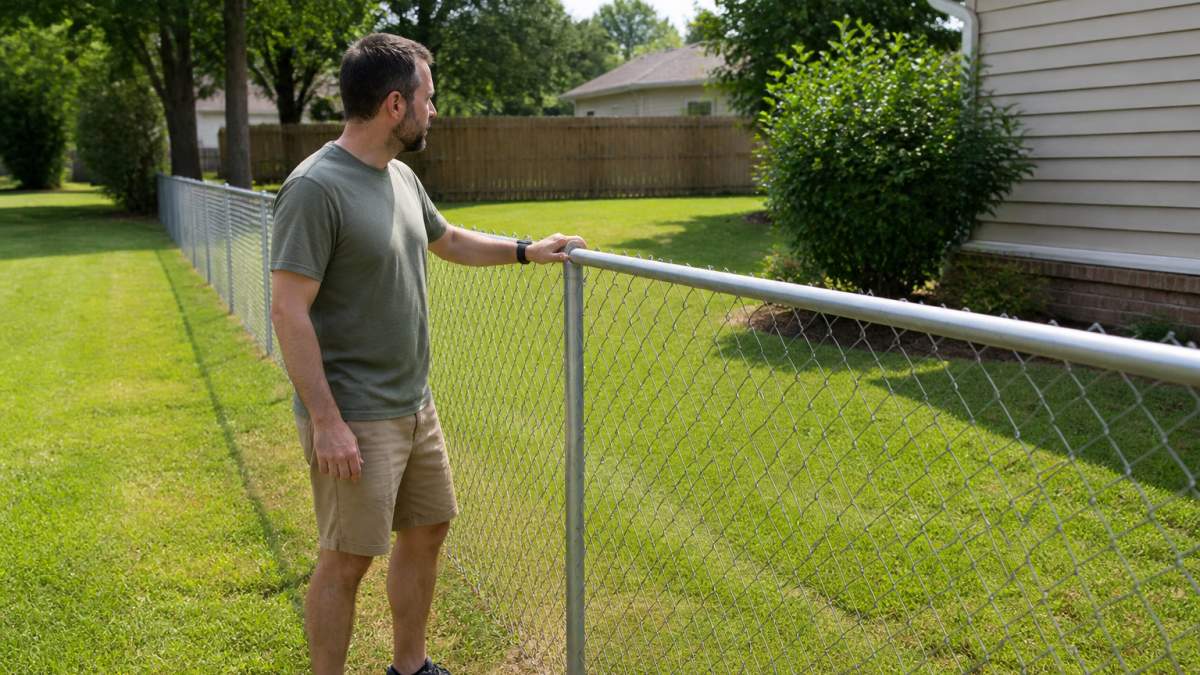
A galvanized fence works well for most residential yards where the main goals are containment and security. A regional fence calculator puts the typical lifespan of galvanized chain link at 15 to 20 years in North Texas (Two Sons Fencing chain link cost calculator). Treat that as a local estimate. Coastal salt air, heavy irrigation spray or a wet clay yard can shorten it.
Best for: budget-conscious homeowners who want a durable, low-maintenance perimeter. Skip if: you want privacy or a softer look without adding slats or screening.
2. Vinyl-Coated Chain Link Fence: Extra Protection for Pets and Coastal Air
Vinyl-coated chain link starts with the same steel fabric and adds a vinyl layer over the wire. The coating is the main reason homeowners choose it. It protects against weather and corrosion, and it gives the fence a smoother surface that is less likely to scratch a dog's nose or snag clothing.
The same regional calculator lists a longer lifespan for vinyl-coated chain link, 20 to 30 years in North Texas (Two Sons Fencing chain link cost calculator). The gap between galvanized and vinyl-coated is one of the clearer differences in this comparison. If you have active pets or live near the coast, the extra years of protection are often worth the higher cost.
One thing to watch: the coating can chip if the fence is struck hard or bent during installation. Inspect the fabric on delivery and before backfilling the posts.
Best for: families with dogs, and homes exposed to salt air or heavy humidity. Skip if: you need the lowest possible upfront price.
3. PVC-Coated and Aluminized Chain Link Fence: Alternative Finishes Compared
Beyond galvanized and vinyl, chain link fabric comes in other metallic and polymer finishes. Aluminized and Galfan are both metallic coatings listed alongside galvanized steel as options for chain-link fabric (Chain Link Fence Manufacturers Institute residential design options). PVC-coated fabric is another common choice that a manufacturer guide presents as one of the main chain link types (Rongtai Metal Group chain link types guide).
- Hot-dip galvanized (zinc): Zinc protects steel sacrificially, meaning the zinc corrodes before the steel does. It is the baseline coating and the one most residential fabric uses. It performs well in ordinary inland conditions but is consumed faster by salt air and constant moisture.
- Aluminized: An aluminum-based coating rather than zinc. Aluminum coatings are generally chosen for heat resistance and for certain atmospheric conditions, but they behave differently from zinc in salt exposure. Ask the supplier for the coating weight and the intended environment before assuming it outperforms galvanized.
- Galfan (zinc-aluminum): A zinc-aluminum alloy coating marketed as offering better corrosion resistance than conventional galvanized in many environments. It is a real upgrade path, but the advantage depends on coating weight and site conditions, so confirm the specification rather than the trade name.
- PVC-coated (vinyl over galvanized or over Galfan): A polymer layer over a metallic-coated core. The polymer handles appearance, color, and abrasion resistance; the metallic core underneath is what actually stops rust. If the PVC is damaged, the core coating determines how long the fence lasts.
A direct comparison by finish looks like this in practice:
| Finish | What protects the steel | Typical best use | Main weakness |
|---|---|---|---|
| Galvanized | Zinc | Inland residential yards | Salt air and constant wetting consume the zinc |
| Aluminized | Aluminum-based coating | Specific atmospheric or heat exposures | Behavior in salt differs from zinc; confirm spec |
| Galfan | Zinc-aluminum alloy | Buyers wanting more corrosion margin than galvanized | Advantage depends on coating weight |
| PVC-coated | Polymer over metallic core | Pets, color, coastal or humid sites | Coating can chip, exposing the core |
Best for: buyers who want a specific finish or color and have confirmed the warranty and coating specification. Skip if: you need a documented lifespan to compare against galvanized or vinyl-coated fabric.
4. Wood and Chain Link Hybrid Fence: Framing Mesh for Privacy
The hybrid does not solve chain link's privacy problem by itself. The Chain Link Fence Manufacturers Institute notes that chain-link fences do not naturally offer much privacy, and you will need added slats or screening to change that (Chain Link Fence Manufacturers Institute privacy slats guidance). Wood framing also needs its own upkeep, such as sealing or staining, so the maintenance profile is different from an all-metal fence.
Best for: yards where appearance matters as much as containment. Skip if: you want the lowest maintenance of any option on this list.
5. Choosing the Right Chain Link Fence Gauge for Your Yard
- Mesh size: Residential fabric is commonly 2-inch mesh. A 2-inch mesh with 9-gauge wire is stiffer and harder to deform than the same mesh with 11.5-gauge wire. Smaller mesh (such as 1-3/4 inch) is sometimes used for small pets, but it adds cost without adding much structural strength.
- Top rail: A common residential top rail is 1-3/8 inch outside diameter, while heavier residential and commercial work often uses 1-5/8 inch. A thicker rail resists sagging over long spans and stiffens the whole fence line.
- Line posts: Residential line posts are commonly 1-5/8 inch, 1-7/8 inch, or 2-3/8 inch outside diameter, with wall thickness varying by duty rating. A larger, thicker-wall post set in concrete is what keeps the fence plumb when soil shifts or a dog charges the mesh.
- Tension bands and tension bars: These are the hardware that transfer fabric tension into the posts. A fence with light tension bars and thin bands will loosen sooner than one with heavier hardware, regardless of fabric gauge.
6. How Long Each Chain Link Fence Lasts and What Shortens It
Lifespan depends on the coating, but it also depends on the site. The two regional ranges we found, 15 to 20 years for galvanized and 20 to 30 years for vinyl-coated in North Texas, give you a reasonable planning window (Two Sons Fencing chain link cost calculator). They do not account for your soil, drainage, or exposure.
Several factors shorten life more than the coating choice does. Posts set in wet or poorly drained soil rot or shift. Sprinkler spray constantly wetting the fabric speeds corrosion. Salt air near the coast is hard on any uncoated steel. Cutting or damaging the coating during installation leaves bare metal exposed. Trim vegetation away from the fabric and check the posts after heavy storms.
Next Step: Get a Quote for the Right Chain Link Fence for Your Property
The right chain link fence depends on your coating, gauge and conditions, and on whether privacy matters to you. Check our service locations to confirm we serve your town before you request a free estimate. Fencementals specializes in wood, vinyl, and chain link fencing. When you are ready, get a quote.
Frequently Asked Questions
What is the most durable type of chain link fence?
Vinyl-coated and PVC-coated chain link fences generally resist corrosion longest because the coating adds a layer over the galvanized steel. A galvanized fence on its own is durable and cost-effective, but the coating matters most in humid or coastal conditions, where moisture speeds up rust. For the most durable choice, pair a heavier gauge with a quality coating and check the warranty before you buy.
Is galvanized or vinyl-coated chain link fencing more durable?
Vinyl-coated chain link typically lasts longer than standard galvanized, with published estimates of 20 to 30 years for vinyl-coated versus 15 to 20 years for galvanized in the North Texas area. The vinyl layer protects the steel from moisture and reduces rust. Galvanized fencing still performs well and costs less, so it can be the better value for dry sites where you want a practical boundary without the extra coating expense.
What chain link fence gauge is best for residential use?
Residential chain link fabric is specified in a range of wire gauges, and lower gauge numbers mean thicker wire.
How long does a chain link fence typically last?
A galvanized chain link fence commonly lasts about 15 to 20 years, and a vinyl-coated version about 20 to 30 years, based on regional estimates from a North Texas fencing calculator. Actual lifespan depends on climate, moisture, soil conditions, and maintenance. Regular inspection of posts, ties, and the bottom rail helps catch rust and loose hardware early, which can extend the life of the fence.
