Creative Fence vs Stand Strong: Which Fence Is Right?
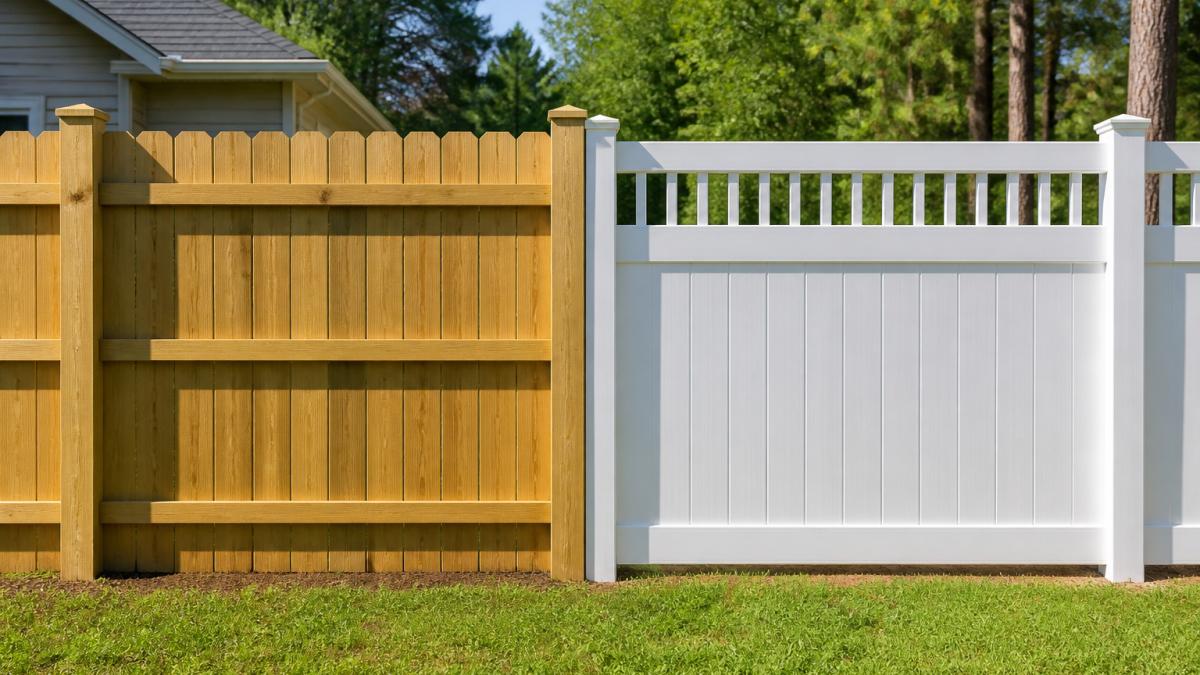
Table of Contents
- Creative Fence vs Stand Strong: What Homeowners Need to Know
- Quick Comparison: Creative Fence vs Stand Strong
- Best Wood for Backyard Fences: What Each Company Offers
- Wood vs Vinyl Fencing Pros and Cons
- Fence Contractor Selection Checklist
- Maintenance vs Replacement: A Decision Matrix
- Why Installation Quality Decides Fence Longevity
- Frequently Asked Questions
Last Updated: October 4, 2026
Creative Fence vs Stand Strong: What Homeowners Need to Know
The creative fence vs stand strong decision usually comes down to one thing: whether you want the lowest upfront bid or a fence that still stands straight after a decade of Midlands heat, clay soil, and summer storms. At Fencementals, we install wood, vinyl, and chain link fencing across the Midlands of South Carolina.
Creative fence vs stand strong is a comparison between two broad approaches to residential fencing: one that emphasizes design flexibility and aesthetic variety, and one that emphasizes structural reinforcement and heavy-duty construction. In practice, the difference shows up less in the sales pitch and more in the posts, footings, and fasteners buried underground.
That's the part nobody photographs for the website.
Quick Comparison: Creative Fence vs Stand Strong
Neither approach wins outright. The right pick depends on your priorities.
| Factor | Design-Flexible Approach | Reinforcement-First Approach | Winner |
|---|---|---|---|
| Material range | Broad (wood, vinyl, composite) | Narrower, durability-focused | Design-flexible |
| Post stability | Varies by installer | Engineered for load-bearing | Reinforcement-first |
| Curb appeal options | High | Moderate | Design-flexible |
| Weather resistance | Depends on material | Built in | Reinforcement-first |
| Pet containment reliability | Good if installed well | Strong | Reinforcement-first |
| Best for | Custom looks, HOA styling | Longevity, harsh exposure | Depends on goal |
For most Midlands homeowners, the smarter move is a contractor who delivers both: real design choice plus posts set to a proper depth. That is the combination we build around at Fencementals.
Best Wood for Backyard Fences: What Each Company Offers
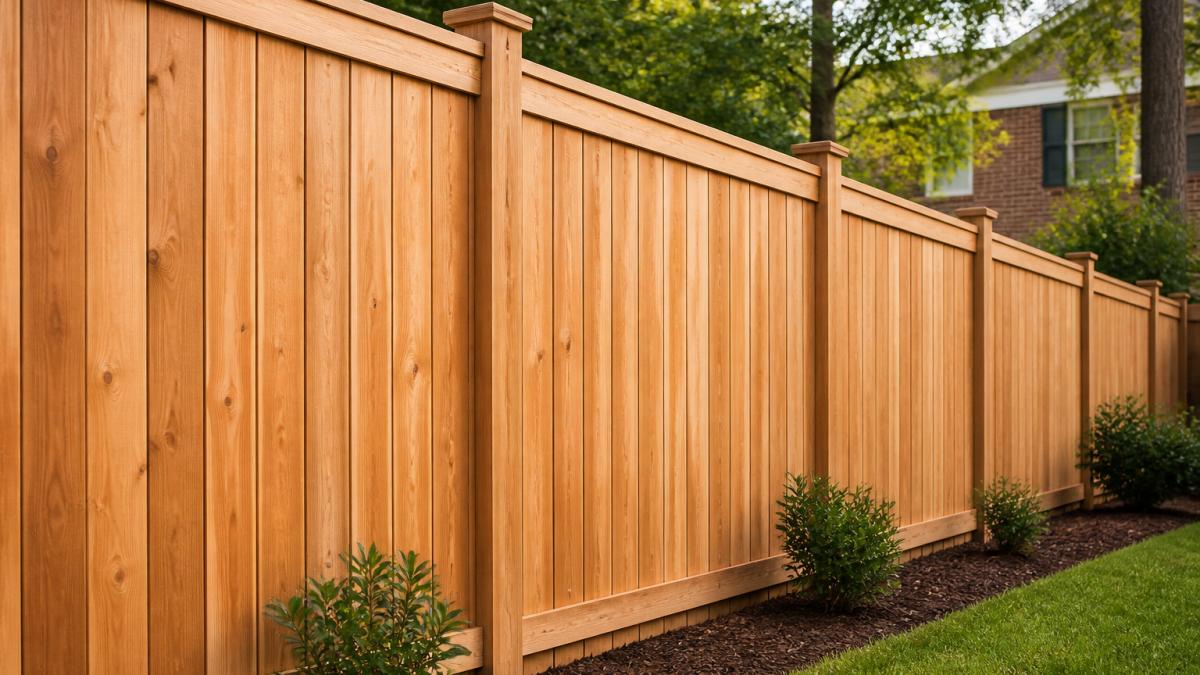
The best wood for backyard fences in this climate is cedar or pressure-treated pine, and the right choice depends on how much maintenance you will actually do. Cedar resists rot and insects naturally. Pressure-treated pine costs less and holds up well when it is properly sealed and set on stable posts. But the species name on the quote tells you less than the grade, the treatment, and the fasteners behind it.
Cedar and Pressure-Treated Pine
Cedar brings natural rot resistance and a warm tone that ages into a soft gray if you let it. Pressure-treated pine takes stain well and gives you more fence per dollar. Both need posts set below the frost line on proper footings, and both fail fast when they are not.
What separates a good cedar fence from a bad one is the grade.
Pressure-treated pine is graded differently. The treatment is rated by how much preservative is retained in the wood, and the two ratings you will see most often for ground-contact use are UC4A and UC4B.
Rot Resistance and Post Stability
Rot starts at the ground line, not the picket. A common mistake is judging a fence by its boards while ignoring the posts. Ask any contractor how deep they set posts and what they backfill with. If the answer is vague, that is your answer.
A few mechanisms drive most wood fence failures:
- End-grain wicking. Water enters the cut end of a post or rail and travels up the grain. Sealing cut ends with a preservative or end-cut treatment slows this dramatically.
- Soil contact. Wood in direct contact with soil stays wet longer. A post set on a concrete footing that sits above the soil line dries faster than one buried in dirt.
- Fastener corrosion. Standard steel screws and nails rust and stain cedar and treated pine. Hot-dip galvanized or stainless fasteners cost more but hold their grip and do not bleed rust streaks down the boards.
- Rail-to-post connection. A rail nailed into the face of a post pulls out under wind load. A rail set into a routed notch or fastened with a bracket transfers load into the post instead of relying on the nail shank.
Cedar and treated pine both perform well when the posts are set deep, the footings are sized correctly, and the fasteners are rated for treated lumber. When any one of those is skipped, the species stops mattering. That is the practical difference between a fence that lasts fifteen years and one that leans by year four.
Wood vs Vinyl Fencing Pros and Cons
Wood wins on upfront cost and repairability. Vinyl wins on maintenance and consistent appearance over time.
Durability and Maintenance
A wood fence needs sealing every few years and occasional board replacement. Vinyl needs a rinse and little else, though it can crack in extreme cold and is harder to patch invisibly. For pet containment, both work when the bottom rail sits low and the posts are solid.
Cost and Curb Appeal
Wood generally costs less to install and suits traditional homes. Vinyl costs more upfront but keeps a uniform look that many buyers notice. Either way, curb appeal depends on straight lines and level rails, which is an installation outcome, not a material one.
Fence Contractor Selection Checklist
Use this before you sign anything:
- Confirm post depth and footing method in writing
- Ask for two local references from the past year
- Get the material grade and fastener type specified
- Verify who handles HOA approval and property line checks
- Confirm cleanup and debris removal are included
- Ask whether the quote is fixed or subject to change
- Check that the crew, not a subcontractor, does the work
Maintenance vs Replacement: A Decision Matrix
Most homeowners ask whether they need a repair or a full replacement, and most answers online stop at "it depends." This section gives you a diagnostic method you can run yourself in about twenty minutes, plus the thresholds that push the decision one way or the other.
How to Inspect Your Fence
Walk the fence line and check four things in order:
- Post soundness. Push each post firmly at the top. A post that moves more than about an inch at the top is losing its footing. Probe the wood at the soil line with a screwdriver. If the tip sinks in easily, the post is rotting from the inside.
- Bottom rail and picket ends. Look at the lowest rail and the bottom of each picket. Rot here is common because it stays wet longest.
- Fastener condition. Check for rust streaks, popped nail heads, and screws that spin without biting. Rust streaks mean the fastener is failing and the joint is loosening.
- Line and level. Sight down the fence from one end. A wavy top line usually means posts are moving, not that the boards warped.
The Decision Matrix
| Condition | Repair | Replace | Reasoning |
|---|---|---|---|
| One or two loose pickets | Yes | No | Simple reattachment |
| Leaning posts, sound panels | Yes | No | Reset posts, reuse panels |
| Rot along the bottom rail | Maybe | Often | Damage spreads upward |
| Multiple cracked vinyl panels | No | Yes | Matching discontinued styles is hard |
| Widespread post rot | No | Yes | Structural failure throughout |
| Posts sound, boards weathered | Yes | No | Refacing reuses the frame |
| More than one-third of posts compromised | No | Yes | Repair cost overtakes replacement |
Reading the Thresholds
The matrix is only useful if you know where the line sits. A few rules of thumb that hold up in practice:
- Post count is the deciding number. If more than about a third of your posts are soft at the soil line, replacement usually costs less over the next five years than repeated repairs. Posts are the most labor-intensive part of a fence, and resetting them one at a time rarely saves money once the count climbs.
- Frame versus skin. If the posts and rails are sound and only the pickets or panels are weathered, refacing reuses the expensive part of the fence. That is a repair, and it is almost always cheaper than a rebuild.
- Matching problem. Vinyl and composite fences are often discontinued in specific colors and profiles. If several panels are cracked and the profile is no longer made, patching leaves a visible mismatch. That pushes the decision toward replacement even when the frame is fine.
- Permit and HOA timing. A full replacement may trigger a permit or HOA review that a repair does not. Factor the approval timeline into your decision, especially if you are replacing the fence line itself rather than just the facing.
When Repair Is the Wrong Call
Repair makes sense when the damage is localized and the frame is sound. It stops making sense when the failure is structural, when the material is discontinued, or when the repair would cost more than half of a replacement. If two of those three are true, price a replacement before you commit to a repair. The quote will tell you more than the inspection did.
Why Installation Quality Decides Fence Longevity
Fence longevity is an installation outcome before it is a material outcome. Posts set too shallow, footings poured too thin, or fasteners chosen for speed rather than holding power will fail regardless of what the panels are made of. Soil shifting and ground movement expose every shortcut within a season or two.
At Fencementals, we are locally owned and veteran operated, and we build around three habits: quality materials, posts set to spec, and a clean work site when we leave. We also price straightforwardly, with no hidden fees or upselling. Homeowners who want a privacy fence or a practical boundary solution can see current pricing on our site or request a quote.
Frequently Asked Questions
What factors should I consider when comparing local fence contractors?
Look at licensing, insurance, years in business, and whether they provide a written contract with clear pricing. Ask for local references and photos of completed jobs. Check if they handle HOA approvals and property line questions themselves. A contractor who offers a detailed, no-pressure quote and explains material options without upselling is usually a safer bet than one who quotes the lowest price without specifics.
Is it better to prioritize fence aesthetics or structural durability?
Both matter, but durability should come first. A beautiful fence that leans or rots in a few years costs more to replace than a slightly less decorative one that lasts. Quality materials like cedar or steel-reinforced posts protect your investment. Once structural integrity is secured, you can choose design details like picket style or color to boost curb appeal without compromising the fence's lifespan.
How do I verify the quality of materials used by a fence company?
Ask for material specifications in writing, including wood species, post thickness, and fastener type. Reputable contractors will show you samples or let you visit a job site. Check that posts are set in concrete and that boards are properly spaced for airflow. For vinyl, confirm the manufacturer and warranty terms. A company that avoids specifics or rushes you past material questions is a red flag.
What are the benefits of choosing a veteran-operated fence contractor?
Veteran-operated businesses often bring discipline, attention to detail, and a strong work ethic to every project. They tend to prioritize clear communication and follow-through, which means fewer surprises. Many also offer transparent pricing and stand behind their work. For homeowners who value reliability and community support, hiring a veteran-owned company can mean a smoother experience and a fence that lasts.
How does soil shifting affect fence post longevity in this region?
Soil shifting from rain, drought, or freeze-thaw cycles can loosen posts and cause leaning. In the Midlands, clay-heavy soil expands and contracts, putting stress on posts. Proper installation with concrete footings set below the frost line and reinforced posts helps resist ground movement. If you notice a leaning fence, address it early before the whole structure weakens. Regular checks after heavy storms can catch problems before they worsen.
A fence is only as good as the ground it stands in, and most homeowners only learn that after the first storm. If you want a fence that stays straight, contains your pets, and lifts your curb appeal without surprise charges, Fencementals installs wood, vinyl, and chain link fencing across the Midlands with honest pricing and a clean work site. Get a quote from Fencementals and get a fence built to stand the test of time.