
Best Residential Fence Contractors: 2026 Guide
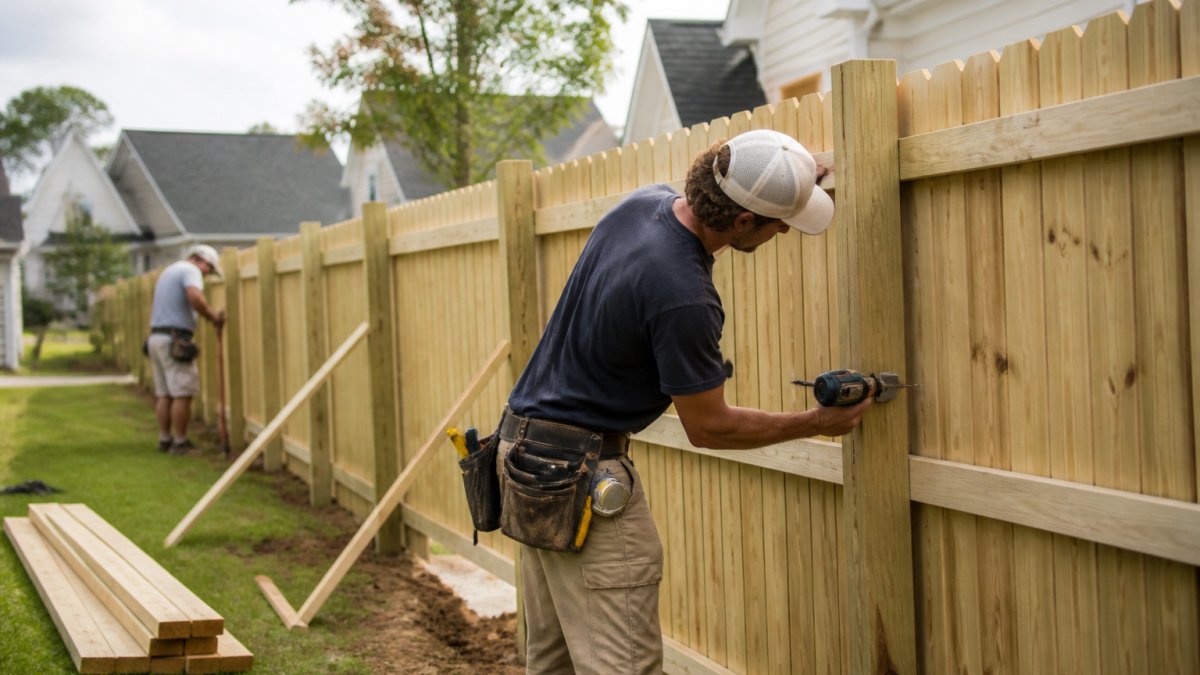
Table of Contents
- What to Expect From Residential Fence Installation Services
- How to Choose a Fence Contractor: Key Vetting Criteria
- Residential Fence Installation Cost: What Affects Your Quote
- Fence Permit Requirements and Property Line Considerations
- Wood, Vinyl, and Chain-Link Fencing: Material Comparison
- Fencementals: Locally Owned Contractor for Quality Installation
- Red Flags to Avoid When Hiring a Fence Contractor
- Frequently Asked Questions
Last Updated: September 30, 2026
What to Expect From Residential Fence Installation Services
Understanding what residential fence installation services involve helps you hire the right residential fence contractors and avoid surprises. Fencementals works with Midlands homeowners seeking privacy, security, and curb appeal without guesswork.
A quality residential fence installation starts with a property assessment: the contractor checks for underground utilities, evaluates terrain, and discusses goals to determine material choice, post placement, and labor requirements.
Installation involves site preparation, post-hole excavation, setting posts in concrete, and attaching rails or panels. A 100-linear-foot wood fence can take one to three days; vinyl or chain-link timelines vary by complexity.
Professional work requires proper post depth, correct spacing, level lines, and secure fastening. A leaning fence after one season can indicate poor post setting or inadequate concrete work.
How to Choose a Fence Contractor: Key Vetting Criteria
Choosing the right residential fence contractor means evaluating credentials, experience, work quality, and communication. Don't let price alone drive the decision.
Check licensing and insurance. A legitimate contractor carries liability insurance and a business license. Licensed contractors are held accountable to local standards; uninsured contractors leave you liable for injuries on your property.
Review past work. Ask for references and portfolio photos. Look for straight lines, consistent spacing, secure posts, and clean edges. A fence up for two to three years shows material durability.
Evaluate communication. Does the contractor listen to your needs and explain their approach? Professional contractors answer questions clearly without rushing. Red flags: vague responses, pressure to decide immediately, or reluctance to provide written quotes.
Get detailed written estimates. A proper estimate breaks down labor, materials, permits, and timeline. Vague estimates leave room for surprise charges. Compare identical specifications: fence type, linear footage, and material grade.
Fencementals prioritizes transparent communication and straightforward pricing. Our approach: clear expectations upfront, professional execution, and a clean work site upon completion.
Residential Fence Installation Cost: What Affects Your Quote
Fence cost depends on multiple factors, and understanding them helps you budget realistically and compare quotes fairly.
Material choice is the primary driver. Wood can cost less upfront but requires regular maintenance. Vinyl can cost more initially but needs minimal upkeep. Chain-link is often a budget-friendly option. Your choice impacts both installation price and long-term ownership costs.
Linear footage determines labor scope. Larger projects have lower per-foot costs because setup and mobilization expenses spread across more material.
Site conditions add complexity. Uneven terrain, rocky soil, tree roots, or existing structures require extra labor. Removing an old fence before installing new adds time and cost.
Height and style affect material quantity. A 6-foot privacy fence uses more material than a 4-foot picket fence. Custom designs increase both material and labor costs.
Permit requirements vary by location. Permits add cost but ensure your fence meets local codes. Fencementals handles permit navigation, simplifying the process and protecting your investment.
For accurate pricing, provide contractors with linear footage, desired height, material preference, and yard photos so they can account for site-specific challenges.
Fence Permit Requirements and Property Line Considerations
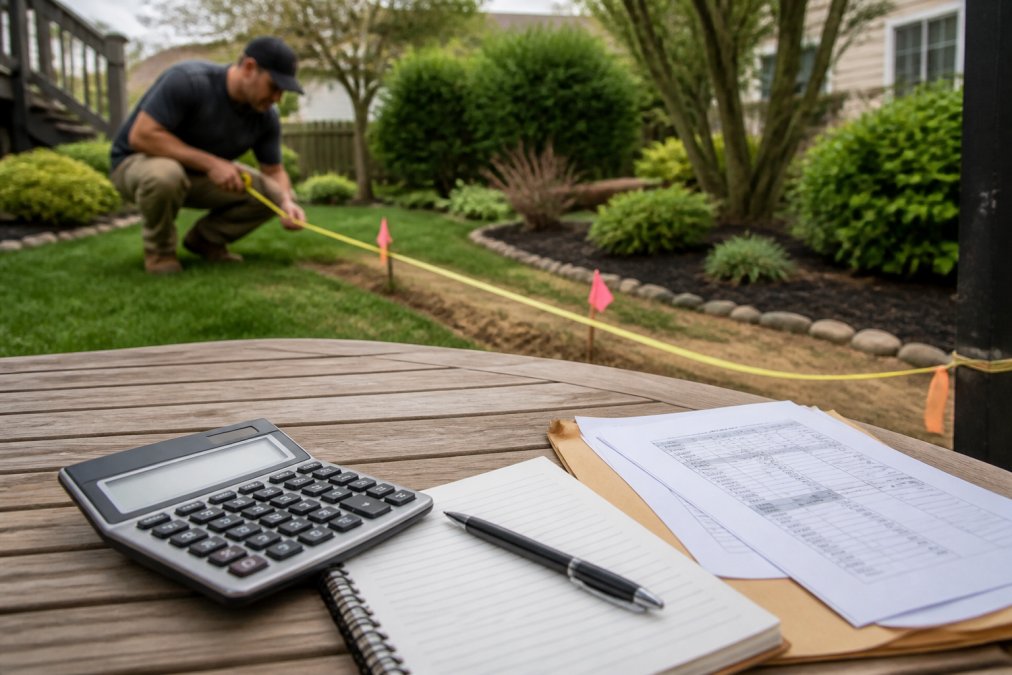
Before you install a fence, verify local codes and confirm property lines. Skipping this step can result in costly corrections, neighbor disputes, or removal orders from county code enforcement.
Permit requirements vary significantly by county. Permit requirements vary significantly by county. Contact your county's planning and zoning office before design to prevent costly revisions. Fencementals handles permit research and applications, ensuring compliance with your county's specific rules.
Property line disputes are common and expensive. A fence installed over the property line is a legal problem. Have your property surveyed if the line is unclear. A professional survey can prevent costly disputes, removal costs, or legal fees. Neighbors can demand removal of a fence on their property at your expense.
Setback rules govern how close a fence can be to the property line. Setback rules govern how close a fence can be to the property line. Ask your county's zoning office for your specific requirement.
HOA restrictions apply in many communities and override county rules. Check your HOA bylaws and architectural review guidelines before choosing material, height, or color. Some HOAs restrict vinyl, require specific colors, limit height to 4 feet, or prohibit chain-link. Violating HOA rules can result in fines or mandatory removal at your expense. Get written HOA approval before signing a contractor agreement.
Utility locates are required before digging. Call 811 at least two business days before work begins. Utility companies will mark underground gas, electrical, water, and telecommunications lines. Hitting a buried utility line causes injury, outages, or repair liability. Professional contractors always request a utility locate; skipping this is a serious red flag.
Wood, Vinyl, and Chain-Link Fencing: Material Comparison
Each material has distinct advantages and trade-offs. Your choice depends on budget, maintenance tolerance, climate resilience, and aesthetic preference. In the Midlands, climate-specific durability is critical because humidity, seasonal moisture, and soil composition directly affect how long your fence lasts.
Wood fencing offers classic appeal and lower upfront cost ($15-$25 per linear foot). Wood requires staining or sealing every 2-3 years to prevent rot, warping, and insect damage. In the Midlands' humid subtropical climate with high humidity (65-75%) and acidic soil (pH 5.5-6.5), untreated wood posts can rot within 5-7 years. Use pressure-treated lumber rated for ground contact, apply water-repellent sealant before installation, and budget for resealing every 2 years. A 150-linear-foot wood fence requires $400-$800 in maintenance every two years.
Vinyl fencing costs more initially ($25-$40 per linear foot) but requires virtually no maintenance. Vinyl resists moisture, insects, and UV damage, a major advantage in the Midlands' humid climate. It becomes brittle in extreme cold (below 20°F), though this is a minor concern compared to wood rot risk. Vinyl fades slightly over 15-20 years but lasts 20-30 years, offsetting replacement frequency. For low-maintenance, humid-climate durability, vinyl is the most durable choice.
Chain-link fencing is the most affordable option ($8-$15 per linear foot) and requires minimal maintenance. Vinyl-coated chain-link (green or brown) offers better rust resistance than bare galvanized in the Midlands' moisture-rich environment. The downside: limited privacy and lower curb appeal. Chain-link requires occasional cleaning to prevent algae or mold buildup. For security or pet containment on a budget, chain-link is effective; for privacy or aesthetics, consider wood or vinyl.
| Material | Upfront Cost | Maintenance | Climate Durability (Midlands) | Lifespan | Best For |
|---|---|---|---|---|---|
| Wood | Lower ($15-$25/ft) | Sealing every 2 years | Poor (rot risk in humidity) | 5-10 years without maintenance | Custom designs, budget-conscious (if willing to maintain) |
| Vinyl | Higher ($25-$40/ft) | Minimal cleaning only | Excellent (moisture-resistant) | 20-30 years | Low-maintenance, long-term value, humid climates |
| Chain-Link (Vinyl-Coated) | Lowest ($8-$15/ft) | Occasional cleaning | Good (rust-resistant coating) | 15-20 years | Pet containment, budget projects, temporary solutions |
Climate-specific guidance for the Midlands: If you choose wood, invest in pressure-treated lumber and plan for biennial sealing.
Fencementals: Locally Owned Contractor for Quality Installation
Fencementals brings veteran-operated professionalism to residential fence work across the Midlands, specializing in wood, vinyl, and chain-link installations. We provide detailed written estimates with no hidden fees or upselling. We handle property line verification, permit navigation, site preparation, and material selection guidance. Whether you need a privacy fence for security, a containment solution for pets, or a design that enhances curb appeal, we deliver reliable results.
Red Flags to Avoid When Hiring a Fence Contractor
Certain behaviors signal problems before work even begins when selecting residential fence contractors. Recognizing these red flags protects you from poor work, hidden costs, and unfinished projects.
South Carolina residential fence installation standards and guidelines
Fence Contractor USA climate-specific installation advice for humid regions
Frequently Asked Questions
Do you need a permit to build a fence in South Carolina?
Yes. Most jurisdictions in South Carolina require a permit for residential fence installation. Permit requirements vary by municipality and depend on fence height, material, and proximity to property lines. Contact your local building department or planning office before hiring a contractor. A reputable residential fence contractor will either handle the permit process or clearly explain which permits you're responsible for obtaining. Fencementals coordinates with local requirements to ensure your project stays compliant.
How far from the property line does a fence need to be?
Property line setback requirements typically range from 2 to 6 inches, depending on your local code. Some jurisdictions require the fence to sit entirely on your property, while others allow it directly on the line with neighbor consent. A property line assessment by a surveyor or your contractor is essential before installation begins. Your fence contractor should review local regulations and help identify the exact placement to avoid legal disputes and costly relocations.
What is the average cost of a wood fence installation?
Wood fence installation costs depend on linear footage, wood quality, site preparation, and labor rates in your area. Pricing varies significantly based on terrain difficulty, tree removal, and post-hole excavation needs. Rather than relying on generic averages, request a project-based estimate from local contractors who can assess your specific yard conditions. Fencementals provides transparent, straightforward pricing without hidden fees, so you know exactly what you're paying for quality workmanship.
How do I verify if a fence contractor is licensed and insured?
Ask the contractor directly for proof of current licensing and insurance documentation. Verify their contractor license through your state's licensing board or local building department. Request references from recent residential fence installation projects and follow up with those customers about their experience. Check online reviews on platforms like Houzz and Google. Veteran-operated contractors like Fencementals often emphasize their credentials and professional standards upfront, making vetting straightforward.